Rear End Awareness in Dogs: Protecting Your Dog’s Mobility and Coordination
Learning simple backing up exercises and side stepping exercises can help with a life long skill of rear end awareness and coordination.
Many of us focus on our dogs’ health in terms of diet, exercise, and routine veterinary care, but an equally important aspect of canine health is rear end awareness.
As dogs age, their rear leg mobility and coordination becomes weaker. This blog will review inherited diseases, traumatic damage, and degenerative conditions that can affect a dog's back legs, as well as practical exercises to promote rear leg awareness.
Certain inherited conditions can affect a dog's hind legs, leading to coordination issues and reduced mobility.
Hip Dysplasia, a genetic condition results in improper formation of the hip joint, which can lead to arthritis and pain. Dogs with hip dysplasia may struggle with mobility, especially as they age.
Luxating patellas, occurs when the kneecap dislocates from its normal position in the groove of the thigh bone. Luxating patellas are more prevalent in certain breeds and can lead to difficulties in walking and running.
Traumatic Injuries can also adversely affect a dog's hind legs. Cruciate tears in the cruciate or injuries to the knees, can occur normal or advanced activities.These injuries can lead to long-term mobility issues if not addressed promptly.
Degenerative diseases of dogs as they age can become a significant concern. Degenerative disc disease affects the spinal discs, leading to pain, weakness, and sometimes paralysis. It's essential to recognize the signs early, as they can greatly affect a dog’s ability to walk and maintain balance.
Degenerative myelopathies occur in some dogs at the end of their lives. A progressive deterioration of the spinal nerves reduces mobility and coordination of the rear legs.
Encouraging rear end awareness is important for dogs as they age. Coordinated movement between the front and back legs helps maintain balance, agility, and overall health.
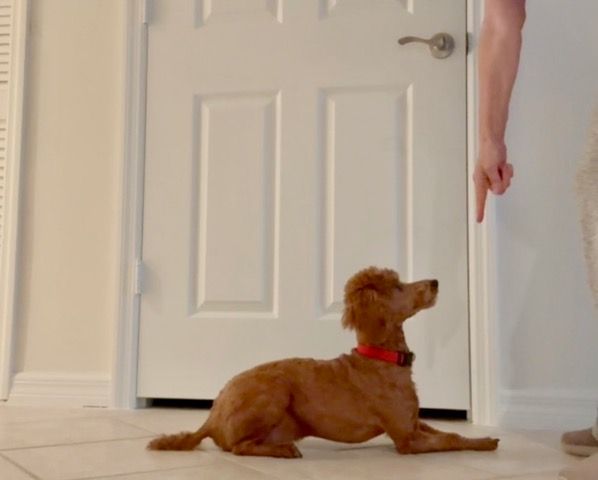
Exercises such as Backing Up encourage your dog to learn how to coordinate the rear and front legs. With luring and positive reinforcement, dogs can readily learn this skill.
Side stepping exercises improves lateral movement and strength in the hind legs. This activity can help with balance and coordination.
More advanced skills can include walking backwards in a circle. This activity requires clockwise and counter clockwise movement when stepping backwards.
Cavaletti Poles stepping and high stepping moving forwards will help strengthen their rear legs and improves coordination.
For dogs with normal body length, backing up steps can enhance their mobility, awareness and placement of each step backwards.
Aging can present a variety of challenges for our dogs. It’s important to be proactive in addressing mobility issues and increasing awareness of their rear end. By recognizing the signs of inherited diseases, traumatic injuries, and degenerative conditions, you can help manage your dog’s health proactively.
A well coordinated dog enjoys more freedom, better health, and a more fulfilling life as they age.
The Benefits of Acupuncture for Dogs and Cats: Insights from the Veterinarians at Care Animal Clinic