Hairball in Domestic Cats
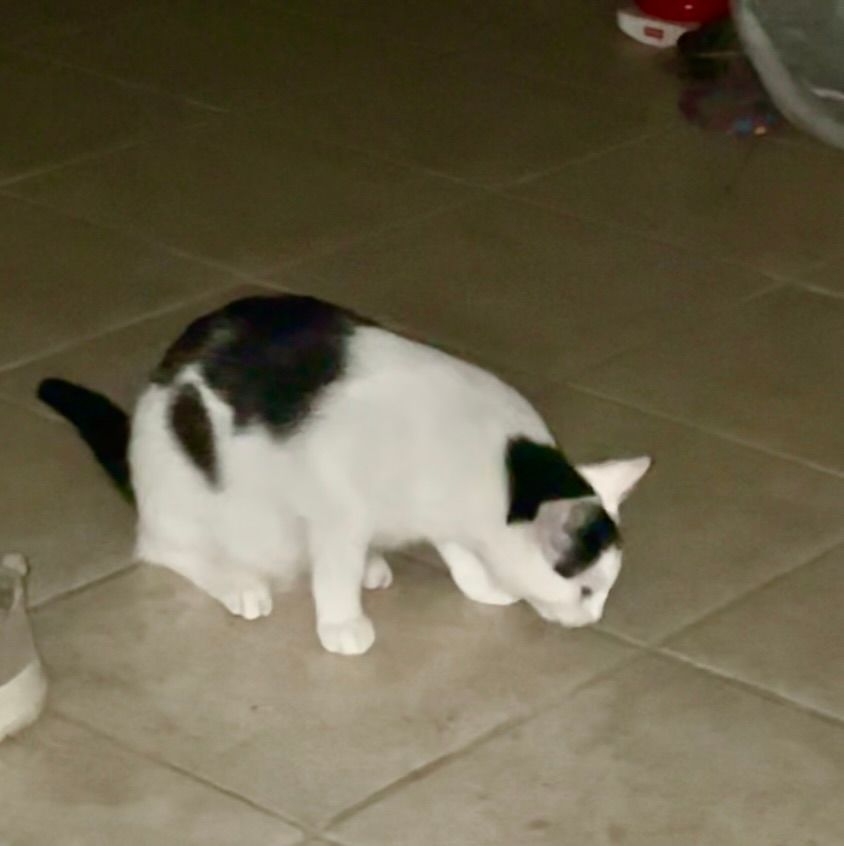
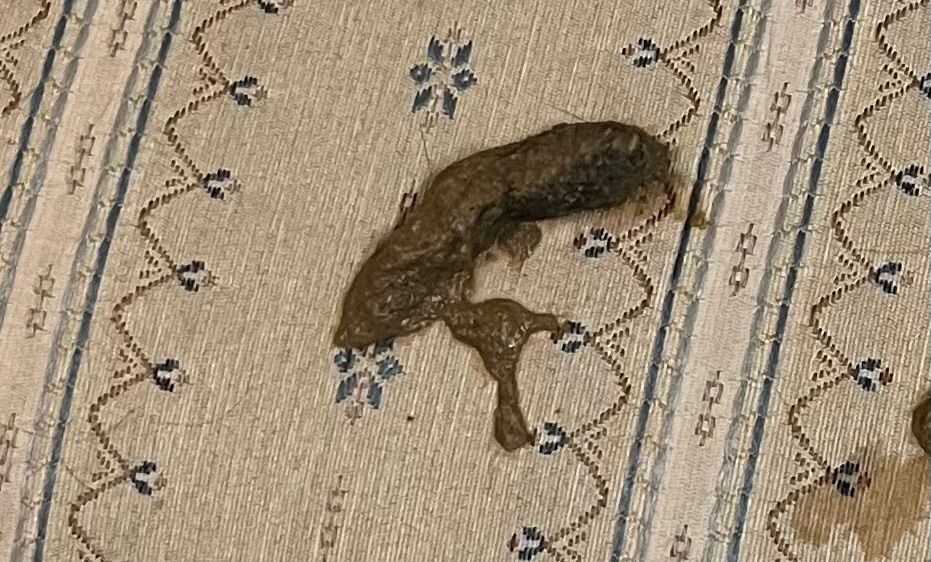
When a cat coughs or gags from a hairball, it can sometimes be productive, bringing up a wad of hair from the stomach. Other times, it may be a brief episode without anything being expelled. Check the stools in the next days for hair covered in feces.
Increasing your cat’s daily brushing will help reduce the amount of hair she swallows.
If you notice frequent gagging or coughing, it’s important to consult your veterinarian for potential dietary changes and diagnostic tests to rule out any serious medical issues.
While there are many over-the-counter hairball remedies available, dietary changes can also be beneficial. Regular brushing is the most effective way to minimize swallowed hair and reduce hair accumulation in the stomach.
Dietary changes can include feeding moist food while reducing dry kibble.
Technically a hairball in the stomach is called a trichobezoar. Trich meaning hair, bezoar meaning a small concretion often found in the stomach.
After brushing, use a moistened washcloth to gather any loose hair; this can be particularly helpful.
As a fun fact, in 'Harry Potter,' Snape poses the question, ‘Where do you find a bezoar?’ The answer, interestingly enough, is in the stomach of a goat.
Cats in the wild also bring up hairball with undigested matter. These observations are often missed by tourist but reported by natives living amongst the animals.
Check Out our YouTube Channel:
Also checking stool demo:


The Benefits of Acupuncture for Dogs and Cats: Insights from the Veterinarians at Care Animal Clinic