Dog Training: Importance for Safety and Health
Dog training is crucial for effective communication between you and your dog. It helps dogs understand the boundaries and rules needed for life alongside humans.
When dogs are trained, they're more likely to be welcomed in dog-friendly places like outdoor cafes and retail stores. Training builds trust and strengthens your bond with your dog by increasing shared understanding of acceptable behavior.
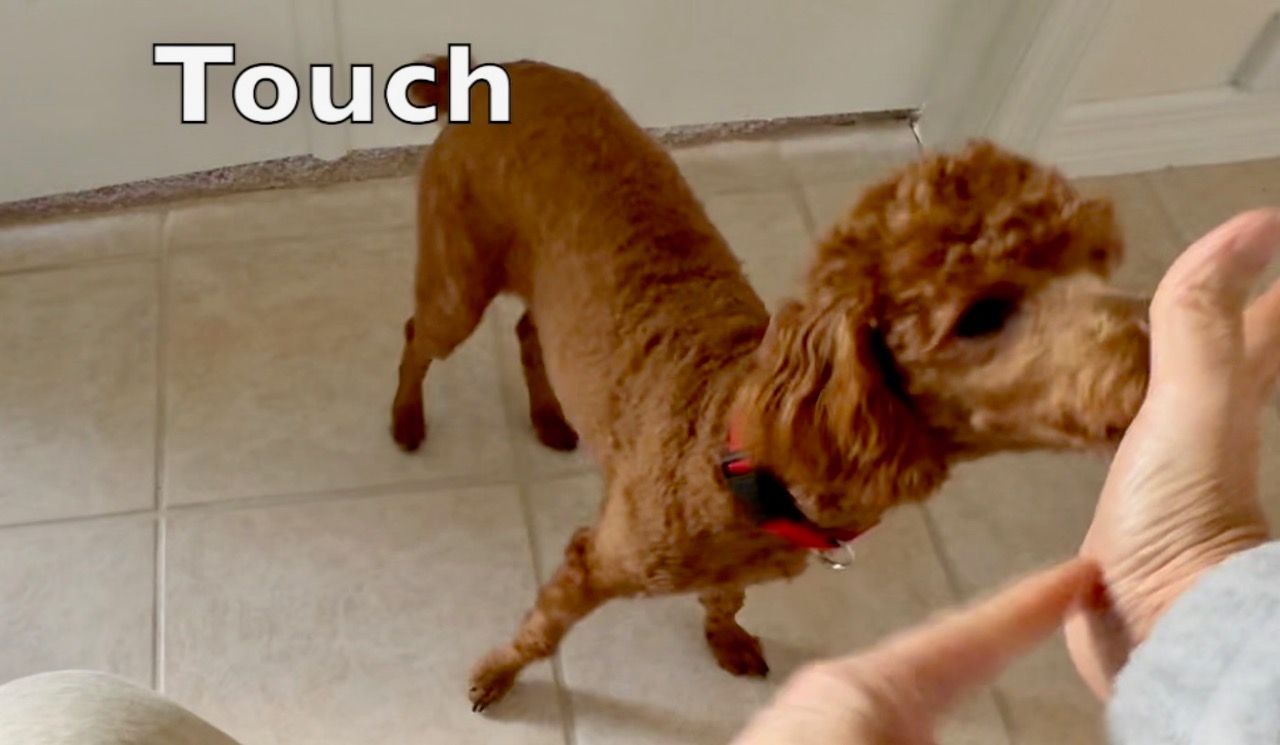
Knowing reliable commands can prevent accidents and injuries, especially when your dog is off-leash near traffic. Commands like "come," "stay," and "down" are essential for their safety.
Training also enriches your dog's life, allowing them to visit more places and interact with other dogs and people. It reduces unwanted behaviors and reinforces lifelong skills.
Using positive reinforcement, such as treats or toys, is the best way to teach your dog. This approach avoids the fear associated with negative reinforcement and strengthens the bond between you and your dog, boosting their confidence.
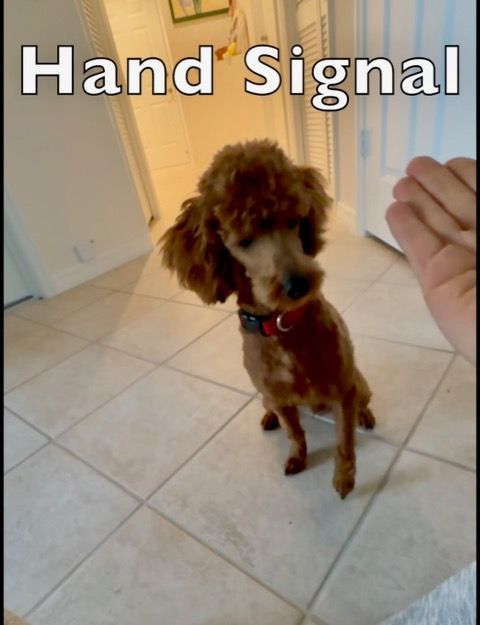
To navigate society, visit the vet, or go to the groomer, dogs need to learn basic commands: "come," "sit," "down," "stay," "wait," "stop," "leave it," and "drop it." Adding the "stand" command can make it easier for the groomer or veterinarian to examine your dog without fuss.
Positive reinforcement training, often called clicker training, marks desirable behavior so it can be rewarded. You can also use a word like “yes” as a marker since a clicker may not always be handy.
To introduce the clicker or marker word, pair it with food. Click and give a high-value treat that’s better than their regular food, known as loading the clicker. Repeat this many times until your dog learns to associate the click or marker word with the treat.
Once your dog connects “yes” or the click sound with the treat, you can start working on commands. Keep training sessions short and repeat them often. Over time, you can gradually reduce the treats.
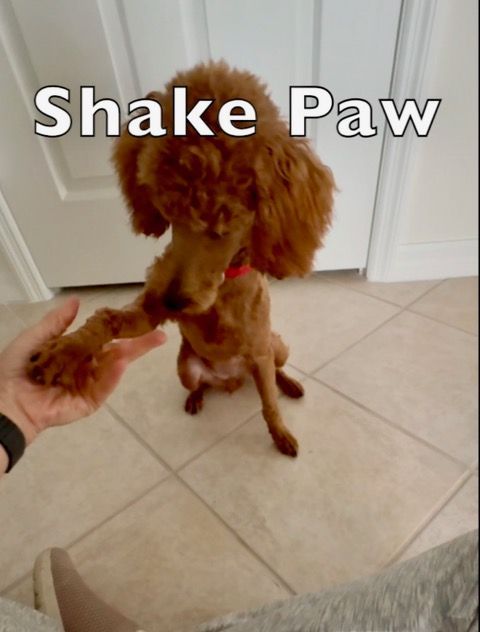
For instance, when teaching "sit," mark and reward every time your dog's rear gets closer to the ground. After a successful sit, add the command “sit” to reinforce the behavior.
Incorporating trick training can also strengthen your bond and provide mental stimulation. Tricks like shaking paws, rolling over, high fiving, sitting pretty, and spinning can promote lifelong learning and keep your dog's mind sharp.
Schedule Your Pet’s Visit Today!
Pet owners are encouraged to schedule regular check-ups and seek expert guidance when concerns arise. To experience exceptional veterinary care, call (262) 781-5993 or visit our contact page and connect with Care Animal Clinic today.
For additional information on pet health, resources from the
American Veterinary Medical Association are recommended:
https://www.avma.org/resources/pet-owners.
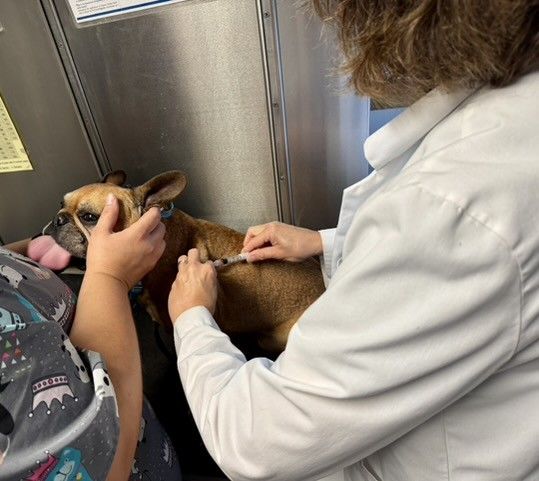

The Benefits of Acupuncture for Dogs and Cats: Insights from the Veterinarians at Care Animal Clinic