Dognition: How Dogs Use Human Cues to Solve Problems
July 21, 2025
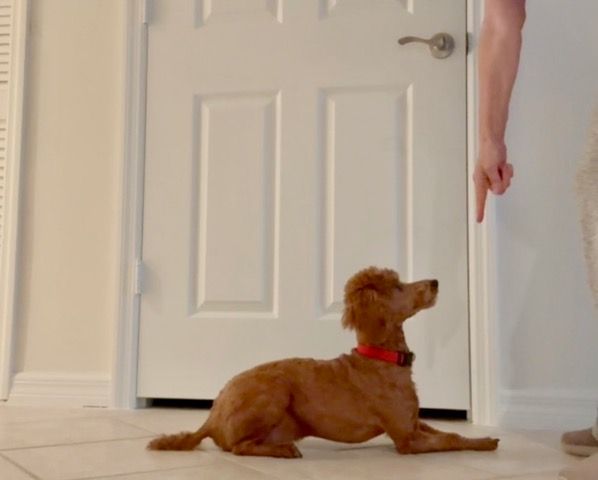
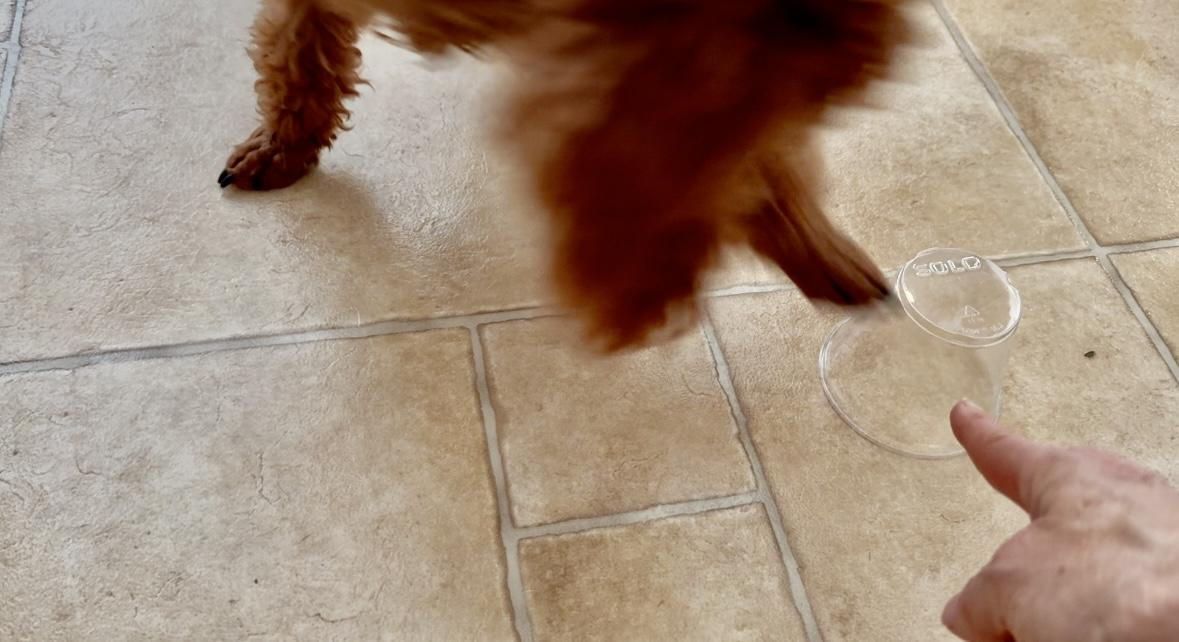
A person is pointing at a dog that is standing on a tiled floor.

Understanding Dognition: The Unique Bond Between Dogs and Humans

In the realm of animal behavior, dogs stand out as exceptional companions, particularly when it comes to their ability to follow human suggestions in problem-solving scenarios. This fascinating phenomenon, often referred to as "dognition," highlights not only the intelligence of our canine friends but also the deep bond they share with humans.
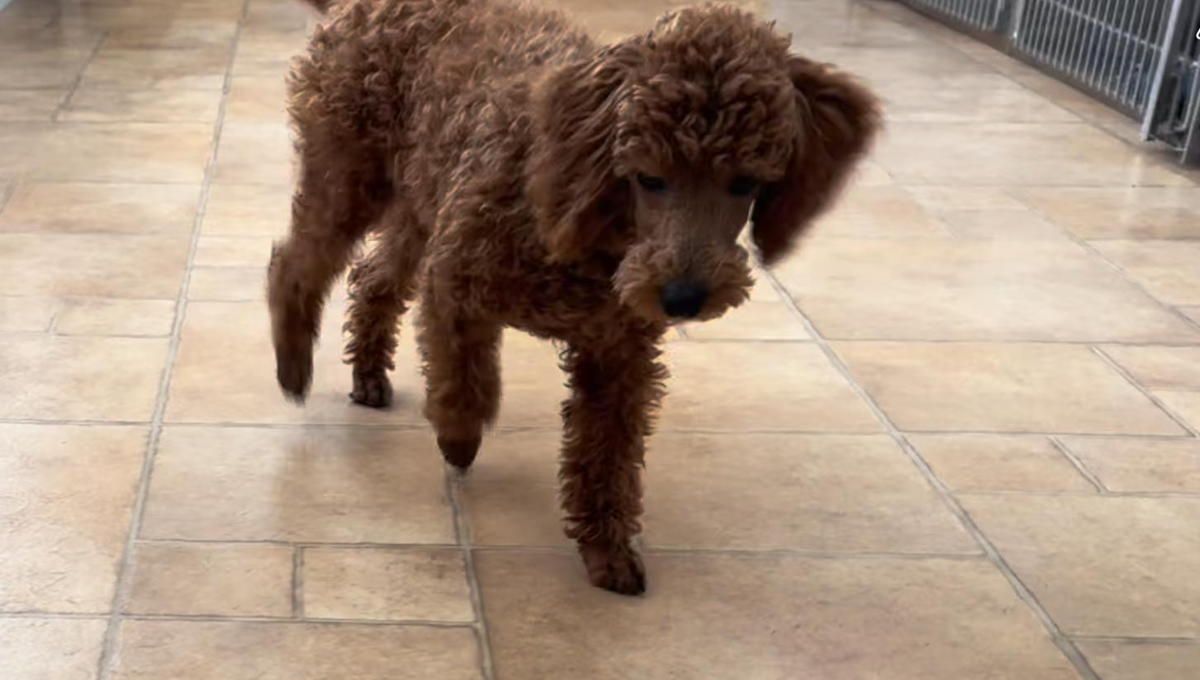
A brown poodle is standing on a tiled floor.

What is Dognition?

Dognition is the term used to describe how dogs engage with humans to solve problems. Unlike other animals, dogs possess a remarkable aptitude for interpreting and responding to human cues. Whether it's following a pointed finger, understanding verbal commands, or even picking up on our subtle body language, dogs exhibit an unparalleled ability to collaborate with us.


Dogs will follow a pointed finger as a suggestion.
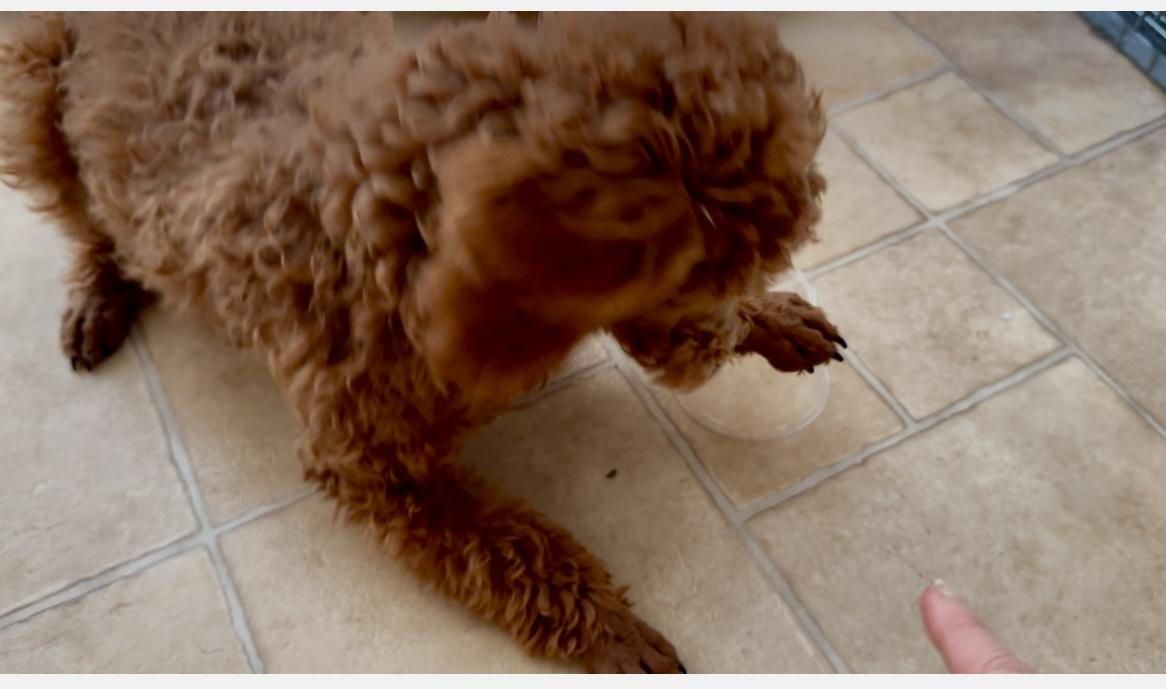
A small brown dog is playing with a person 's finger on a tiled floor.

Even though a treat was seen put under a different cup.
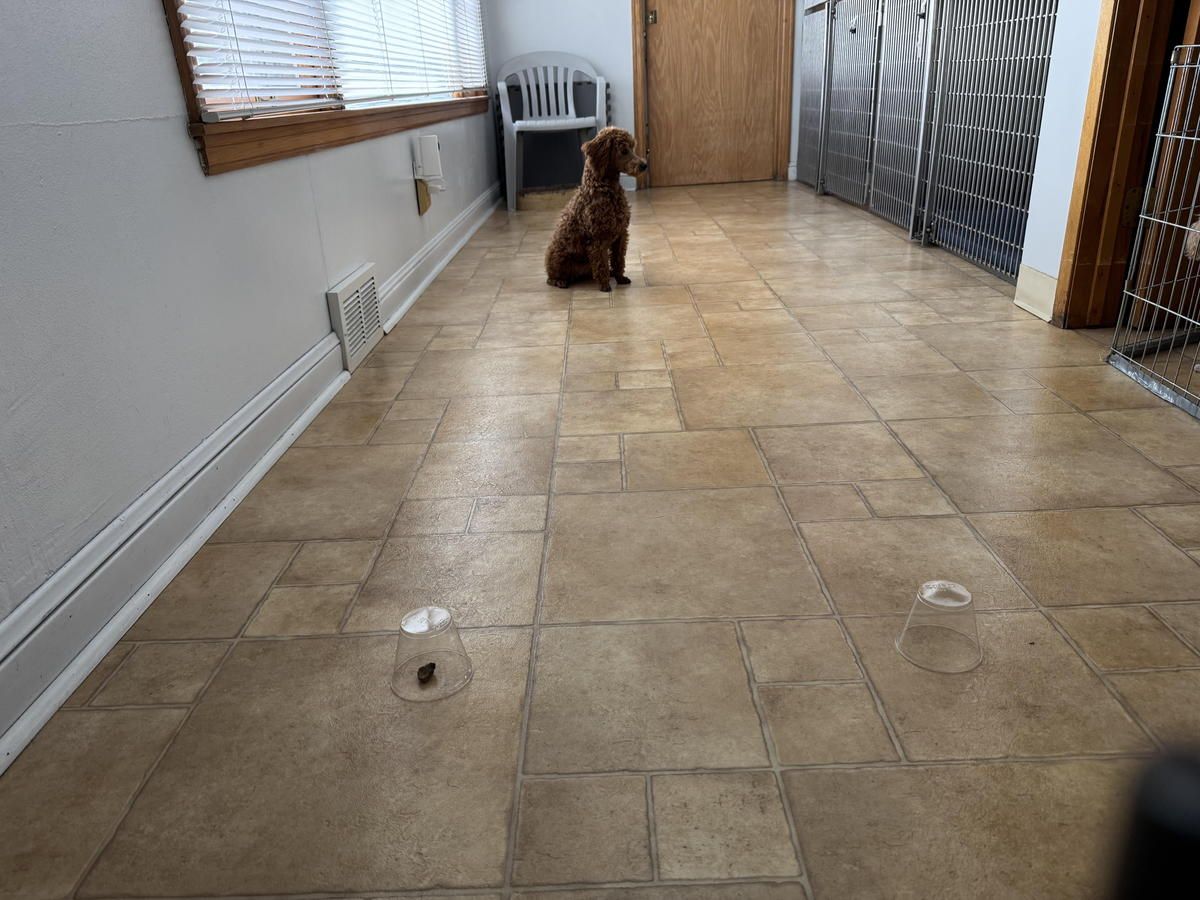
A dog is sitting on a tiled floor in a hallway.

The Science Behind Dognition

Research has shown that dogs have evolved alongside humans for thousands of years, developing skills that allow them to thrive in a human-centric environment. Their capacity for social cognition enables them to read human emotions and intentions, a trait not commonly found in other domesticated animals.

Studies indicate that dogs can quickly learn to connect actions with rewards, using human guidance to navigate complex situations. This remarkable problem-solving ability is evident in various tasks, from simple fetch games to more intricate puzzles that require understanding and teamwork.


Why Does This Matter?

The dognition phenomenon underscores not just the intelligence of dogs but also their unique place as our companions. This ability to problem-solve in conjunction with humans highlights the mutual trust and understanding in the human-dog relationship. As pet owners, recognizing this can lead to more enriching interactions and training methods that tap into their natural inclination to collaborate.


 Conclusion

Dognition is a testament to the extraordinary bond between humans and dogs. This unique capacity for problem-solving is a reminder of why dogs are not just pets; they are our partners in navigating the world. Encouraging and nurturing this talent through play and training can strengthen our relationship, making the experience of dog ownership all the more rewarding. So next time your dog looks at you for guidance, remember you're not just warding off a game of fetch – you're engaging in a profound act of communication and collaboration that only dogs can uniquely share with us.
Close-up of a dog's paw with trimmed fur, showing black pads and light pink skin.
December 17, 2025
Foot care matters, all movement such as walking, running and jumping starts in the feet. Long-haired dogs need the excess hair trimmed to allow the pads to touch the ground for traction. When the pads are covered with hair, the feet slip with shifting of weight causing injuries in the joints and back. 
December 11, 2025
Anesthesia nowadays is fairly safe with the precautions taken for testing before a procedure and the monitoring during the procedure. Blood work and EKG testing helps us determine the health of the inside of the body before a procedure is started. Blood work checks the red and white blood cells to determine if they are in the normal range. Such as with red blood cells levels, if the levels are low causing anemia the problem needs to be treated before a surgical procedure. We also check the blood chemistries to make certain the liver, and kidneys are healthy. The liver and kidneys are part of the systems that remove the anesthetic from the blood stream allowing the patient to wake up. The blood chemistries also tell us about the health of the thyroid and general health of the adrenal glands. If there are abnormals found, more lab work may be needed to make the patient stronger for a procedure. The EKG is run to show us if there are issues with the heart. The EKG can show us if the hearth valves are working correctly. If abnormals are found, more advanced testing may be needed such as an x-rays and echo cardiogram to determine if therapies are needed prior administering anesthesia. During general anesthesia a technician monitors the oxygen, carbon dioxide levels and blood pressure. Body temperature is maintained, and IV fluid keeps the blood pressure and hydration in the normal range.
November 22, 2025
Keeping cats mentally and physically active is healthy. Training your cat to come when called is helpful when they are in the hiding mood. This skill can help when it’s time to give medications or treatments. The basic click training techniques work in cats as it does in other animals. If using a clicker is not your style, use a marker word such as “yes” or “okay.” Learning recall can be started at feeding time. Say their name, click or say “yes”, then a small portion of food is given. Repeat in short sessions. Don’t over train. This takes numerous short sessions over numerous days. Carry cat treats on you during the day. Call their name, reinforce with the marker word, then treat. After the response is predictable, use petting and attention to replace the food treat. Occasionally use a favored treat as reinforcement for the recall. Cutting up high value treats such as freeze dried chicken or beef hearts, minnows, salmon cubes, make treats economical to use in training. Using a training stick is helpful when teaching “touch”. This touch behavior can convert into high five to your hand. Don’t over train, use short simple sessions, repeat often. Revise your technique if after days of attempts, there is no improvement. Keep it happy, simple, and positive.
November 22, 2025
Cat harnesses provide a secure and comfortable way to control and manage your cat during outings. Cats can squirm making them difficult to get a hand hold. A harness can make getting in and out of a carrier easier as well as leash control during a sniff outing or sitting in the sun. A cat harness that is too tight can cause chafing, skin irritation, or even restriction of movement. On the other hand, a harness that is too loose may not provide the necessary control or security. A harness that is too tight there is no room for fingers to get under the harness. The harness is pushing on the vertebrae of the spine and scapula. This is causing discomfort. Fingers should easily get under the harness in all areas in all positions to reduce damage to the anatomy of your cat. Prolonged use of a poorly fitting harness can lead to skin issues like dermatitis or pressure sores, especially if the harness rubs against sensitive areas like the armpits or chest. It is important to examine your cat’s skin regularly for any signs of irritation and adjust the harness or consider a different style if needed to prevent discomfort. The harness should not impinge on any of the shoulder or elbow joints. Should not cause hair loss or pulling of the hair. Some pet stores allow trying different harnesses on before a purchase or allow returns on merchandize that doesn’t fit when tried on at home. Start young learning to accept and wear a harness. Positive reinforcement during training will make the learning process easier. Short frequent sessions of lure, mark and reward are needed for a cat to learn to wear a harness. Only use the harness when needed, remove when at home. Always remove neck collars when your cat is not being monitored. Have your cat microchipped. if they escape outdoors the chip can be scanned by a vet or humane society to get them home again. Use a tracking system attached to the harness to find them when outdoors so they can be located if wandering outdoors. Training your cat to come when called and responding to basic commands will help make them a candidate for harness training and outdoor adventure. Practice indoors before venturing outside.  Choose the right cat harness and adjust the fit as they grow or gain weight. Regularly inspect the harness for fit and signs of irritation.
November 21, 2025
Start with the eyes, clear away any “sleep” in the inner area of the eye. Remove excess hair so that it does not touch the face causing excess tearing from irritation. Use a clipper and scissors to remove the excess hair. Check the mouth, no hair should be in the mouth causing gum disease. Divert from the breed cute look of long hair that holds germs from food caught in it. Cut short. This will keep a mouth free of old food particles. Verify the lower lip is clean at the saliva draining area. Clean and cut short. Check the ears for odor or excess discharge. Do a dry cleaning of the canal with a gauze over the finger. Avoid flooding the canal with a liquid that can get caught in collapsed canals and hair. Check the feet especially between the toes and the pads for any foreign material such as burs, gum, twigs, and other foreign objects. Use a clipper or scissors to remove excess hair. Keep the pads free of long hair that makes the pads slippery. Nail trims should be done every 2-4 weeks. Different forms of lameness can start with unhealthy feet. Check the arm pits and inguinal area for mats that pull the delicate hairs causing pain. This is a common area for burs and foreign material to twist in the hair causing irritation of delicate nerves. Check under the tail for any debris caught in the hairs. Keep the anal area free of excess hair so fecal material is not collecting. Keep the under hair of the tail short to keep the area hygienic. Check the vulva and scrotum area for any debris, remove and treat any areas of redness or irritation.  Check the body for any mats, burs, ticks, or new growths. Trim, comb and brush as needed to keep the hair free of snarls.
the cat touching the hand.
November 4, 2025
Keeping cats mentally and physically active is healthy. Training your cat to come when called is helpful when they are in the hiding mood or lounging. This skill can help when its time to give medications or treatments.
September 27, 2025
Taking your cat to the vet can be a challenging experience, but it doesn’t have to be! By training your feline friend to be familiar with their carrier, you can make vet visits less stressful for both of you.
Veterinarian examining a dog on a table with its owners in a clinic.
September 5, 2025
Discover why Care Animal Clinic is the trusted local veterinarian in Brookfield, WI. Call (262) 781-5993 today for personalized, compassionate pet care!
A cat is laying on a tiled floor next to a wall.
July 21, 2025
Discover effective strategies for helping your cat lose weight and improve their overall well-being. From meal planning to exercise routines, our guide provides practical advice for tackling feline obesity.
A person is holding an orange harness on a dog
July 21, 2025
The significance of choosing the right dog harness, ensuring a proper fit to avoid discomfort such as dermatitis and pressure on the spine, selecting appropriate harnesses for different activities, and exploring the benefits of the gentle leader style for enhanced control during walks.