Benefits of a Local Veterinarian in Brookfield, WI Care

September 5, 2025

When it comes to your pet’s health and well-being, choosing the right veterinary care is one of the most important decisions you can make. For residents of Brookfield, WI, a local veterinarian in Brookfield, WI offers unmatched advantages that go beyond convenience. Local veterinarians understand the unique needs of pets in their community and provide personalized care designed to keep your furry family members happy and healthy. 

The Importance of Personalized Care from a Local Veterinarian in Brookfield, WI

One of the greatest benefits of using a local veterinarian in Brookfield, WI is the personalized care your pet receives. Unlike larger corporate clinics, local veterinarians tend to build strong, long-term relationships with both pets and their owners. This familiarity allows them to tailor treatments and health recommendations based on your pet’s unique health history, breed, and lifestyle. At Care Animal Clinic, for example, the veterinary team prides itself on developing close relationships with their patients.

Convenience and Accessibility: Why a Local Veterinarian in Brookfield, WI Matters

When your pet suddenly falls ill or requires urgent care, being close to a veterinary hospital in Brookfield, WI can make a significant difference. Local veterinarians understand the area’s needs and environmental factors that may affect your pet’s health, such as common allergens or seasonal risks. Choosing a local vet also means you can get timely appointments without long wait times, easy access to follow-up care, and support when you need it most. Plus, local clinics like Care Animal Clinic often offer flexible hours and emergency services to accommodate busy pet owners.

Community Trust and Reputation of a Veterinarian in Brookfield, WI

Another advantage of choosing a veterinarian in Brookfield, WI is the trust they build within the community. A local veterinary hospital is often deeply integrated into the neighborhood, participating in community events, pet wellness programs, and educational outreach. This fosters a reputation for reliability and compassion that national chains sometimes lack. For pet owners, this means you can rely on reviews, recommendations, and firsthand accounts from fellow Brookfield residents about the quality of care your local veterinary team provides. The veterinarians and staff at Care Animal Clinic are proud of their strong community presence and reputation for exceptional pet care.

Comprehensive Services Offered by a Local Veterinary Hospital in Brookfield, WI

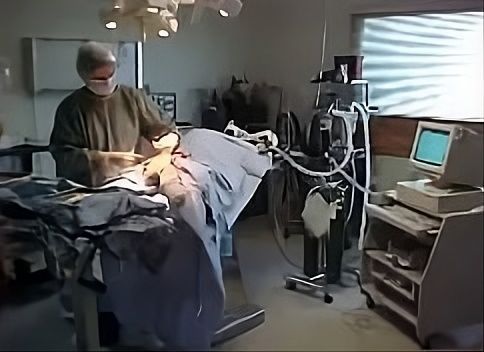
When you bring your pet to a trusted veterinary hospital in Brookfield, WI like Care Animal Clinic, you receive comprehensive healthcare services under one roof. From routine wellness exams and vaccinations to dental care, surgical procedures, and advanced diagnostics, local vets provide a full spectrum of medical attention.

This convenience means your pet’s health can be monitored continuously, and any changes can be caught early by a veterinarian familiar with their medical history. Local clinics also tend to offer personalized wellness plans and nutrition advice tailored specifically for your pet.

The Emotional Connection and Compassion of a Local Veterinarian in Brookfield, WI

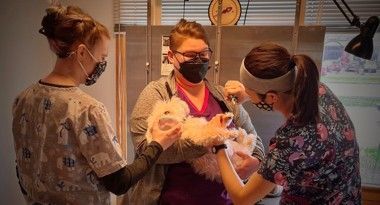
Pets are more than just animals—they’re members of the family. A local veterinarian in Brookfield, WI, appreciates this emotional bond and treats each pet with kindness and respect. This compassionate approach helps reduce stress for both pets and their owners during veterinary visits. At Care Animal Clinic, the staff creates a welcoming and calm environment designed to make every visit as comfortable as possible. 

Supporting Local Business and the Brookfield Community

Choosing a local veterinary hospital also means supporting local businesses and the community’s economy. Brookfield residents who choose a local veterinarian help sustain family-owned clinics that reinvest in the community, provide local jobs, and contribute to neighborhood well-being. By selecting Care Animal Clinic as your preferred veterinarian in Brookfield, WI, you’re not only ensuring excellent healthcare for your pet, but also supporting a business committed to the health and happiness of the Brookfield community.

Contact Us Today to Experience the Benefits of a Local Veterinarian in Brookfield, WI

Choosing a local veterinarian in Brookfield, WI like Care Animal Clinic means selecting a partner dedicated to your pet’s health, happiness, and longevity. From routine wellness visits to advanced medical care, their team is ready to offer personalized service that puts your pet’s needs first. Contact us today to schedule an appointment or to learn more about how we can support your pet’s healthcare journey. 
February 17, 2026
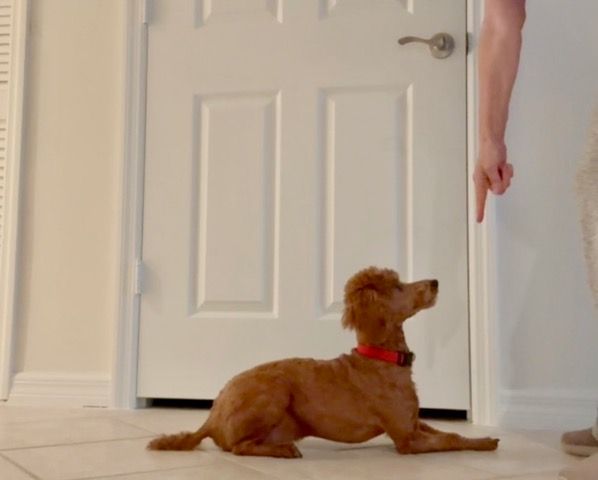
Dog training is crucial for effective communication between you and your dog. It helps dogs understand the boundaries and rules needed for life alongside humans. When dogs are trained, they're more likely to be welcomed in dog-friendly places like outdoor cafes and retail stores. Training builds trust and strengthens your bond with your dog by increasing shared understanding of acceptable behavior.
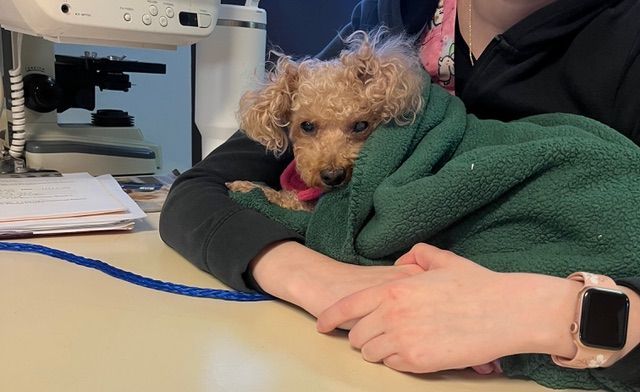
Small curly-haired dog wrapped in a green blanket, sitting on a desk next to a person wearing a blac
February 5, 2026
Care Animal Clinic is a trusted veterinary hospital in Brookfield, WI, offering expert pet care, advanced services, and treatments. Call (262) 781-5993.
January 23, 2026
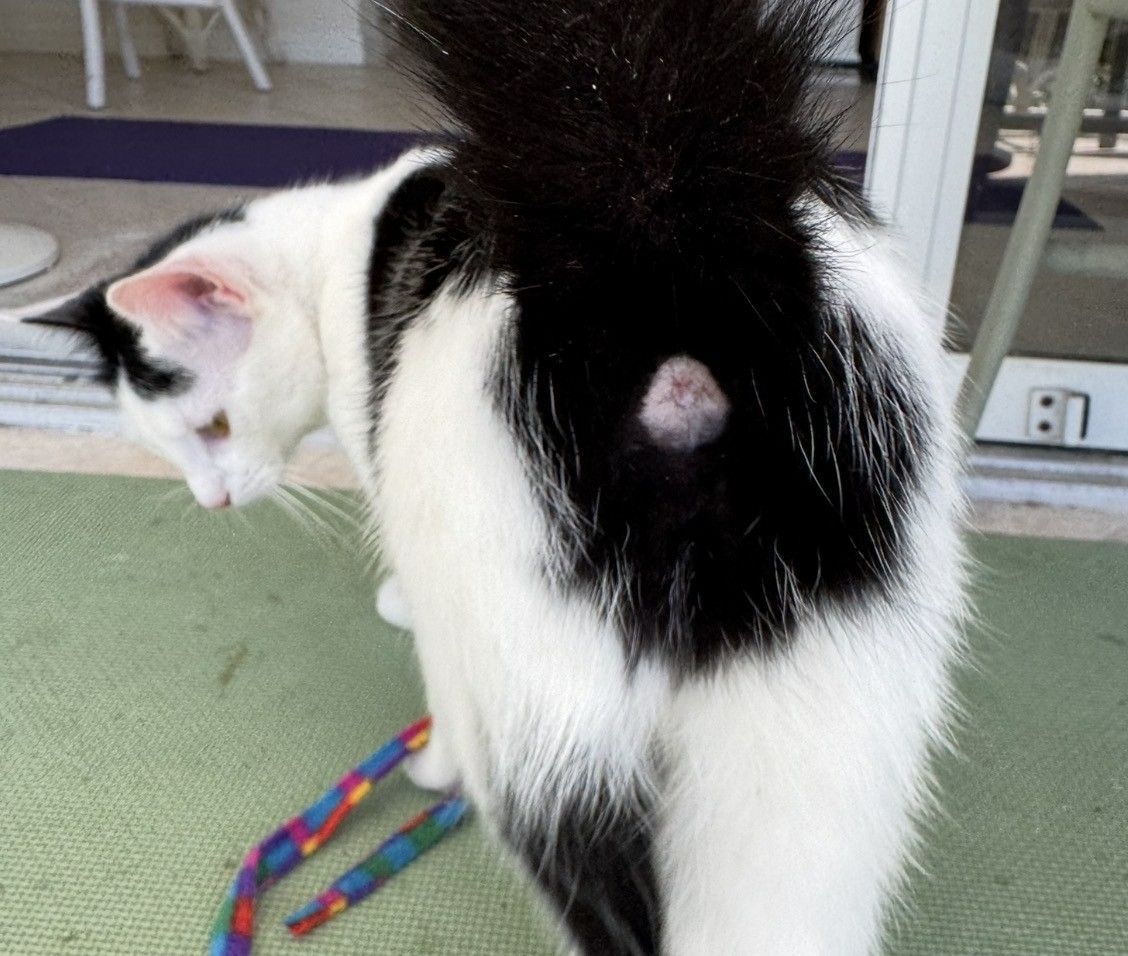
Cats have two anal sacs under the tail on each side of the anus. The sacs have glands that produce a thin liquid made from apocrine glands (sweat) and sebaceous oil glands. A narrow duct connects the sac to the external surface on the anus. The anal sac liquid has a pungent odor with a mixture of various bacteria and fungi. They are similar to skunk scent glands, however cats are not able to shoot the anal sac material in the direction of the feared animal. The sacs are located under the skin on each side of the anus. Under healthy conditions, the glands will empty with bowel movements or when the cat is frightened. When alarmed the sacs are expressed by the muscles around it. The pungent odor leaves a scent marking territory and a warning to other animals something bad happened here that was scary. That is one reason some animals are afraid at the veterinary facility. In a safe home environment, cats rarely empty the anal sacs. They are not suddenly terrified. If the ducts are not cleaned daily with self grooming, the liquid can start to dehydrate causing a plug in the duct. Older, obese or arthritic cats cannot get under the tail to clean the area with daily tongue grooming. The dried anal sac material forms a dark plug at the duct of the anal sac easily viewed when the tail is elevated. The sac can be palpated from the outside. A full anal sac is approximately 1 cm in diameter, at that point they need expressing. A gloved hand can carefully express the sacs to relieve the pressure. Some full anal sacs will rupture causing an abscess of the skin. Topical treatments and possible antibiotics are needed to heal the wound. Impacted anal sacs can lead to pain and a variety of associated issues. The cat may be less active, hiding, dehydrated, lame, and have selective appetite. Addressing the underlying issue of obesity, pain, with lack of grooming the area can prevent another episode of impacted anal sacs. Have a look under the tail, if black dots are seen on each side of the anus, covering the duct openings, the area can be gently lubricated, moistened, and the duct cleaned of the pasted debris. Consult your veterinarian for learning how to express the sacs. Most anal sac expressions can be done awake if performed gently. Some cats require a skilled tech hold to express the sacs of the dehydrated material which is often a dark paste consistency.
January 7, 2026
Both dogs and cats have an oil scent gland on the top of the tail near the base. The supracaudal gland is described in Miller’s Anatomy of the Dog as having fewer hairs per follicle associated with sebaceous glands that produces oily discharge. The area of the tail may have benign enlargement and become hairless with age. The oil glands can serve in grooming to repel water from the fur. The gland is prone to the follicles being plugged causing blackheads or comedones. The follicles can be cleaned of superficial dead skin and the comedones squeezed to relieve the plug. Stud tail is a common term used to describe over active tail glands with hair loss and excess oil production. In advanced cases of stud tail, glands have excess discharge and odor due to an infection of the follicles requiring medical attention. Rarely the gland develops tumors requiring removal of the area or tail. 
January 7, 2026
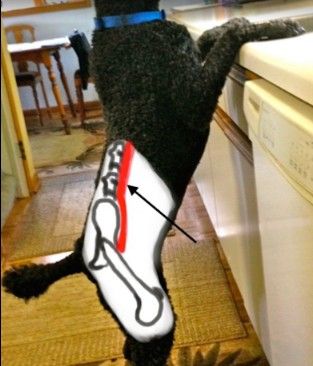
In most literature and dog training, this is called a play bow or a stretch. However this style of bow, occurs when the abdomen is painful. Most people do not notice it since it can occur hidden. This dog, my dog, was under a table doing this. The dog with upper GI pain is subdued, tail down and tucked under not playful.  The spittle image is just to show you the issue with bubbles in the upper GI that slows natural gas passage. Many dogs clear this issue of GI pain with the vomiting spittle, or eating grass then vomiting, or some dogs panic, eat a sock or foreign object which now complicates the problem making it a foreign body requiring surgery.
January 7, 2026
In most early bloats, signs of abdominal pain can be missed. Dogs may go into a bow position unnoticed. They often will cough and gag spitting up foamy material. They may start eating odd objects, making the situation worse if they ingest socks or other foreign materials to alleviate the pain. The small bubbles of one of the salivary glands when over active may accumulates in the esophagus and duodenum blocking the stomach. Also a possible culprit of foam bloating are the bubbling surfactants in many man-made liquids for cleaning. The foaming action, such as in cleaning products, can start gas accumulation in the stomach. The bubbles of saliva and surfactants have a reduced surface tension around air bubbles. The foaming bubbles can last an extended time. Fortunately, the bubbles can be broken up by simethicone found in anti-gas gel capsules. Early administration of multiple gas gel capsules of 125mg can alleviate the early uncomplicated bloat. Elevating the front legs also helps the dog to burp. A Heimlich maneuver, under the rib cage with the front legs elevated, can help remove the excess gas. When bloating is not addressed early, the stomach can turn on itself making the situation a dire emergency surgery. Seek immediate emergency help. There are other potential causes of bloat, but uncomplicated bloat can be quickly treated medically. I've seen bloat in any age and breed of dog.
Close-up of a dog's paw with trimmed fur, showing black pads and light pink skin.
December 17, 2025
Foot care matters, all movement such as walking, running and jumping starts in the feet. Long-haired dogs need the excess hair trimmed to allow the pads to touch the ground for traction. When the pads are covered with hair, the feet slip with shifting of weight causing injuries in the joints and back. 
December 11, 2025
Anesthesia nowadays is fairly safe with the precautions taken for testing before a procedure and the monitoring during the procedure. Blood work and EKG testing helps us determine the health of the inside of the body before a procedure is started. Blood work checks the red and white blood cells to determine if they are in the normal range. Such as with red blood cells levels, if the levels are low causing anemia the problem needs to be treated before a surgical procedure. We also check the blood chemistries to make certain the liver, and kidneys are healthy. The liver and kidneys are part of the systems that remove the anesthetic from the blood stream allowing the patient to wake up. The blood chemistries also tell us about the health of the thyroid and general health of the adrenal glands. If there are abnormals found, more lab work may be needed to make the patient stronger for a procedure. The EKG is run to show us if there are issues with the heart. The EKG can show us if the hearth valves are working correctly. If abnormals are found, more advanced testing may be needed such as an x-rays and echo cardiogram to determine if therapies are needed prior administering anesthesia. During general anesthesia a technician monitors the oxygen, carbon dioxide levels and blood pressure. Body temperature is maintained, and IV fluid keeps the blood pressure and hydration in the normal range.
November 22, 2025
Keeping cats mentally and physically active is healthy. Training your cat to come when called is helpful when they are in the hiding mood. This skill can help when it’s time to give medications or treatments. The basic click training techniques work in cats as it does in other animals. If using a clicker is not your style, use a marker word such as “yes” or “okay.” Learning recall can be started at feeding time. Say their name, click or say “yes”, then a small portion of food is given. Repeat in short sessions. Don’t over train. This takes numerous short sessions over numerous days. Carry cat treats on you during the day. Call their name, reinforce with the marker word, then treat. After the response is predictable, use petting and attention to replace the food treat. Occasionally use a favored treat as reinforcement for the recall. Cutting up high value treats such as freeze dried chicken or beef hearts, minnows, salmon cubes, make treats economical to use in training. Using a training stick is helpful when teaching “touch”. This touch behavior can convert into high five to your hand. Don’t over train, use short simple sessions, repeat often. Revise your technique if after days of attempts, there is no improvement. Keep it happy, simple, and positive.
November 22, 2025
Cat harnesses provide a secure and comfortable way to control and manage your cat during outings. Cats can squirm making them difficult to get a hand hold. A harness can make getting in and out of a carrier easier as well as leash control during a sniff outing or sitting in the sun. A cat harness that is too tight can cause chafing, skin irritation, or even restriction of movement. On the other hand, a harness that is too loose may not provide the necessary control or security. A harness that is too tight there is no room for fingers to get under the harness. The harness is pushing on the vertebrae of the spine and scapula. This is causing discomfort. Fingers should easily get under the harness in all areas in all positions to reduce damage to the anatomy of your cat. Prolonged use of a poorly fitting harness can lead to skin issues like dermatitis or pressure sores, especially if the harness rubs against sensitive areas like the armpits or chest. It is important to examine your cat’s skin regularly for any signs of irritation and adjust the harness or consider a different style if needed to prevent discomfort. The harness should not impinge on any of the shoulder or elbow joints. Should not cause hair loss or pulling of the hair. Some pet stores allow trying different harnesses on before a purchase or allow returns on merchandize that doesn’t fit when tried on at home. Start young learning to accept and wear a harness. Positive reinforcement during training will make the learning process easier. Short frequent sessions of lure, mark and reward are needed for a cat to learn to wear a harness. Only use the harness when needed, remove when at home. Always remove neck collars when your cat is not being monitored. Have your cat microchipped. if they escape outdoors the chip can be scanned by a vet or humane society to get them home again. Use a tracking system attached to the harness to find them when outdoors so they can be located if wandering outdoors. Training your cat to come when called and responding to basic commands will help make them a candidate for harness training and outdoor adventure. Practice indoors before venturing outside.  Choose the right cat harness and adjust the fit as they grow or gain weight. Regularly inspect the harness for fit and signs of irritation.