Cat Learning and Enrichment
November 22, 2025
Keeping cats mentally and physically active is healthy. Training your cat to come when called is helpful when they are in the hiding mood. This skill can help when it’s time to give medications or treatments.
The basic click training techniques work in cats as it does in other animals. If using a clicker is not your style, use a marker word such as “yes” or “okay.”
Learning recall can be started at feeding time. Say their name, click or say “yes”, then a small portion of food is given. Repeat in short sessions. Don’t over train. This takes numerous short sessions over numerous days.
Carry cat treats on you during the day. Call their name, reinforce with the marker word, then treat. After the response is predictable, use petting and attention to replace the food treat. Occasionally use a favored treat as reinforcement for the recall.
Cutting up high value treats such as freeze dried chicken or beef hearts, minnows, salmon cubes, make treats economical to use in training.
Using a training stick is helpful when teaching “touch”. This touch behavior can convert into high five to your hand.
Don’t over train, use short simple sessions, repeat often. Revise your technique if after days of attempts, there is no improvement. Keep it happy, simple, and positive.
Kitten High Five
Kitten Learns to Come on Command
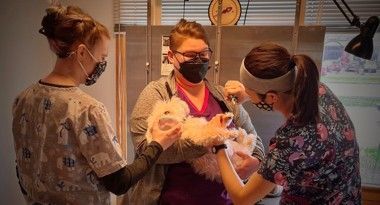
Learn the difference between a veterinary hospital and a clinic in Brookfield, WI. Care Animal Clinic offers advanced, holistic pet care. Call now.
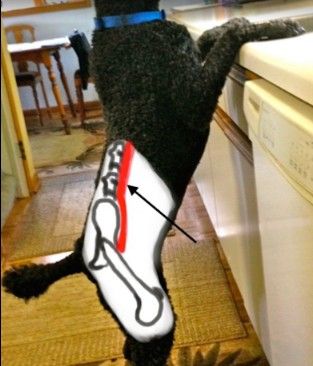
Learning simple backing up exercises and side stepping exercises can help with a life long skill of rear end awareness and coordination. Many of us focus on our dogs’ health in terms of diet, exercise, and routine veterinary care, but an equally important aspect of canine health is rear end awareness. As dogs age, their rear leg mobility and coordination becomes weaker. This blog will review inherited diseases, traumatic damage, and degenerative conditions that can affect a dog's back legs, as well as practical exercises to promote rear leg awareness. Certain inherited conditions can affect a dog's hind legs, leading to coordination issues and reduced mobility. Hip Dysplasia, a genetic condition results in improper formation of the hip joint, which can lead to arthritis and pain. Dogs with hip dysplasia may struggle with mobility, especially as they age. Luxating patellas, occurs when the kneecap dislocates from its normal position in the groove of the thigh bone. Luxating patellas are more prevalent in certain breeds and can lead to difficulties in walking and running. Traumatic Injuries can also adversely affect a dog's hind legs. Cruciate tears in the cruciate or injuries to the knees, can occur normal or advanced activities.These injuries can lead to long-term mobility issues if not addressed promptly. Degenerative diseases of dogs as they age can become a significant concern. Degenerative disc disease affects the spinal discs, leading to pain, weakness, and sometimes paralysis. It's essential to recognize the signs early, as they can greatly affect a dog’s ability to walk and maintain balance. Degenerative myelopathies occur in some dogs at the end of their lives. A progressive deterioration of the spinal nerves reduces mobility and coordination of the rear legs. Encouraging rear end awareness is important for dogs as they age. Coordinated movement between the front and back legs helps maintain balance, agility, and overall health. Exercises such as Backing Up encourage your dog to learn how to coordinate the rear and front legs. With luring and positive reinforcement, dogs can readily learn this skill. Side stepping exercises improves lateral movement and strength in the hind legs. This activity can help with balance and coordination. More advanced skills can include walking backwards in a circle. This activity requires clockwise and counter clockwise movement when stepping backwards. Cavaletti Poles stepping and high stepping moving forwards will help strengthen their rear legs and improves coordination. For dogs with normal body length, backing up steps can enhance their mobility, awareness and placement of each step backwards. Aging can present a variety of challenges for our dogs. It’s important to be proactive in addressing mobility issues and increasing awareness of their rear end. By recognizing the signs of inherited diseases, traumatic injuries, and degenerative conditions, you can help manage your dog’s health proactively. A well coordinated dog enjoys more freedom, better health, and a more fulfilling life as they age.
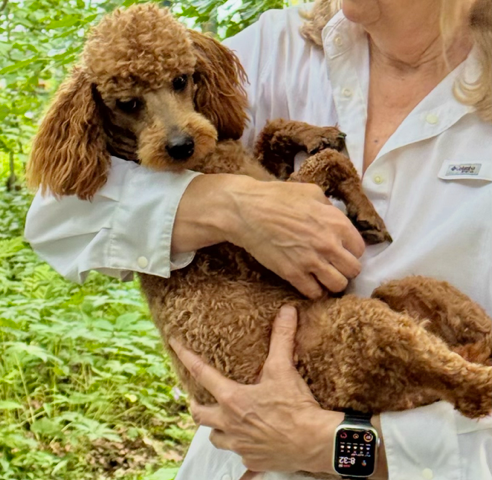
As our dogs age, their needs change significantly. Just like in our own lives, adjustments in care can make a big difference in their quality of life. Here are some simple ways to provide comfort and care for your senior dog.
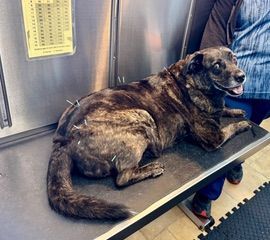
The Benefits of Acupuncture for Dogs and Cats: Insights from the Veterinarians at Care Animal Clinic
At Care Animal Clinic, we understand the importance of ensuring our furry friends lead healthy and fulfilling lives. Throughout our years of practice, we have explored various holistic treatments, and one that has consistently proven beneficial is acupuncture for dogs and cats. This ancient practice, while unconventional to some, offers a wealth of benefits that any pet owner should consider. Acupuncture works by stimulating specific points on the body, promoting healing and restoring balance. Our veterinarians have seen firsthand how this therapy can effectively address a range of issues, from chronic pain and arthritis to anxiety and digestive problems. Many pets experience significant relief after just a few sessions, enhancing their overall quality of life. O ne of the standout advantages of acupuncture is its holistic approach. Unlike traditional medications, which may come with unwanted side effects, acupuncture provides a natural alternative. Our veterinarians often integrate this therapy into comprehensive treatment plans, ensuring a well-rounded approach to pet health and wellness.
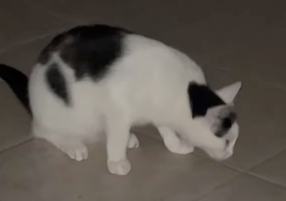
When a cat coughs or gags from a hairball, it can sometimes be productive, bringing up a wad of hair from the stomach. Other times, it may be a brief episode without anything being expelled. Check the stools in the next days for hair covered in feces. Increasing your cat’s daily brushing will help reduce the amount of hair she swallows. If you notice frequent gagging or coughing, it’s important to consult your veterinarian for potential dietary changes and diagnostic tests to rule out any serious medical issues. While there are many over-the-counter hairball remedies available, dietary changes can also be beneficial. Regular brushing is the most effective way to minimize swallowed hair and reduce hair accumulation in the stomach. Dietary changes can include feeding moist food while reducing dry kibble. Technically a hairball in the stomach is called a trichobezoar. Trich meaning hair, bezoar meaning a small concretion often found in the stomach. After brushing, use a moistened washcloth to gather any loose hair; this can be particularly helpful. As a fun fact, in 'Harry Potter,' Snape poses the question, ‘Where do you find a bezoar?’ The answer, interestingly enough, is in the stomach of a goat. Cats in the wild also bring up hairball with undigested matter. These observations are often missed by tourist but reported by natives living amongst the animals.
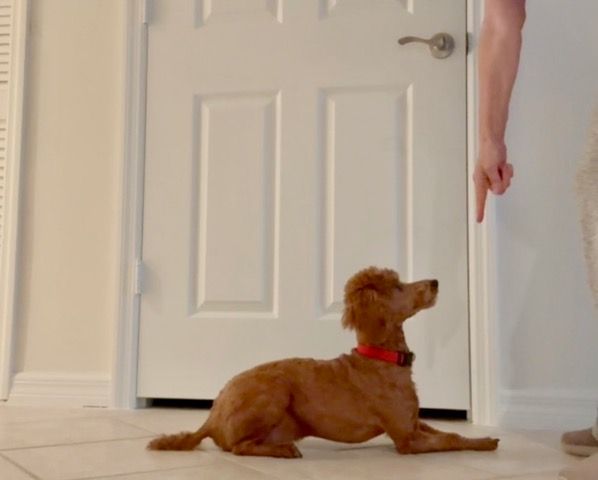
Dog training is crucial for effective communication between you and your dog. It helps dogs understand the boundaries and rules needed for life alongside humans. When dogs are trained, they're more likely to be welcomed in dog-friendly places like outdoor cafes and retail stores. Training builds trust and strengthens your bond with your dog by increasing shared understanding of acceptable behavior.
Care Animal Clinic is a trusted veterinary hospital in Brookfield, WI, offering expert pet care, advanced services, and treatments. Call (262) 781-5993.
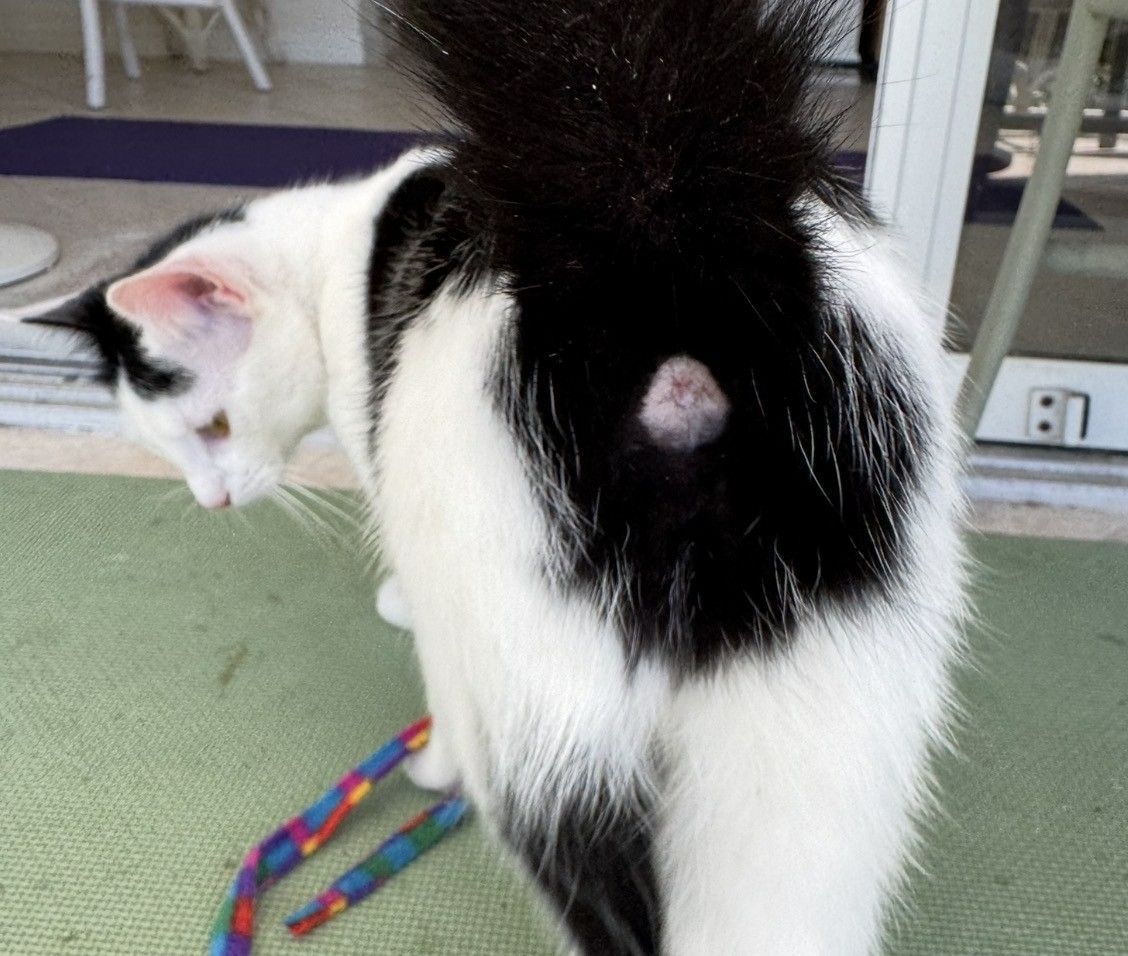
Cats have two anal sacs under the tail on each side of the anus. The sacs have glands that produce a thin liquid made from apocrine glands (sweat) and sebaceous oil glands. A narrow duct connects the sac to the external surface on the anus. The anal sac liquid has a pungent odor with a mixture of various bacteria and fungi. They are similar to skunk scent glands, however cats are not able to shoot the anal sac material in the direction of the feared animal. The sacs are located under the skin on each side of the anus. Under healthy conditions, the glands will empty with bowel movements or when the cat is frightened. When alarmed the sacs are expressed by the muscles around it. The pungent odor leaves a scent marking territory and a warning to other animals something bad happened here that was scary. That is one reason some animals are afraid at the veterinary facility. In a safe home environment, cats rarely empty the anal sacs. They are not suddenly terrified. If the ducts are not cleaned daily with self grooming, the liquid can start to dehydrate causing a plug in the duct. Older, obese or arthritic cats cannot get under the tail to clean the area with daily tongue grooming. The dried anal sac material forms a dark plug at the duct of the anal sac easily viewed when the tail is elevated. The sac can be palpated from the outside. A full anal sac is approximately 1 cm in diameter, at that point they need expressing. A gloved hand can carefully express the sacs to relieve the pressure. Some full anal sacs will rupture causing an abscess of the skin. Topical treatments and possible antibiotics are needed to heal the wound. Impacted anal sacs can lead to pain and a variety of associated issues. The cat may be less active, hiding, dehydrated, lame, and have selective appetite. Addressing the underlying issue of obesity, pain, with lack of grooming the area can prevent another episode of impacted anal sacs. Have a look under the tail, if black dots are seen on each side of the anus, covering the duct openings, the area can be gently lubricated, moistened, and the duct cleaned of the pasted debris. Consult your veterinarian for learning how to express the sacs. Most anal sac expressions can be done awake if performed gently. Some cats require a skilled tech hold to express the sacs of the dehydrated material which is often a dark paste consistency.
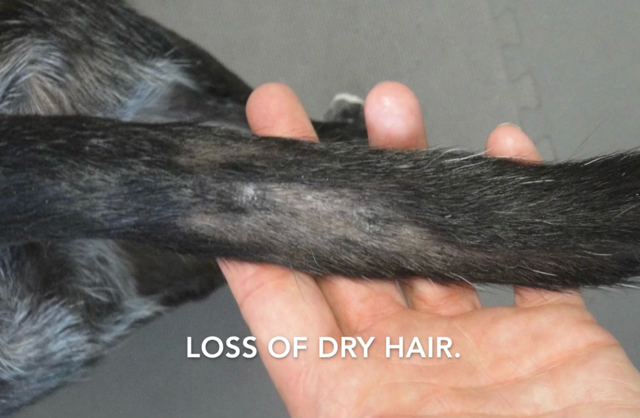
Both dogs and cats have an oil scent gland on the top of the tail near the base. The supracaudal gland is described in Miller’s Anatomy of the Dog as having fewer hairs per follicle associated with sebaceous glands that produces oily discharge. The area of the tail may have benign enlargement and become hairless with age. The oil glands can serve in grooming to repel water from the fur. The gland is prone to the follicles being plugged causing blackheads or comedones. The follicles can be cleaned of superficial dead skin and the comedones squeezed to relieve the plug. Stud tail is a common term used to describe over active tail glands with hair loss and excess oil production. In advanced cases of stud tail, glands have excess discharge and odor due to an infection of the follicles requiring medical attention. Rarely the gland develops tumors requiring removal of the area or tail.
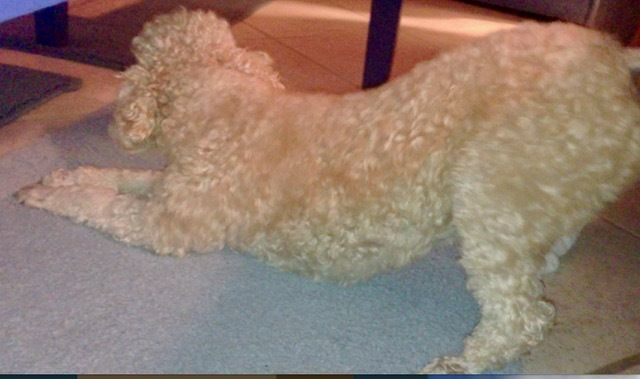
In most literature and dog training, this is called a play bow or a stretch. However this style of bow, occurs when the abdomen is painful. Most people do not notice it since it can occur hidden. This dog, my dog, was under a table doing this. The dog with upper GI pain is subdued, tail down and tucked under not playful. The spittle image is just to show you the issue with bubbles in the upper GI that slows natural gas passage. Many dogs clear this issue of GI pain with the vomiting spittle, or eating grass then vomiting, or some dogs panic, eat a sock or foreign object which now complicates the problem making it a foreign body requiring surgery.




