A Cat Harness
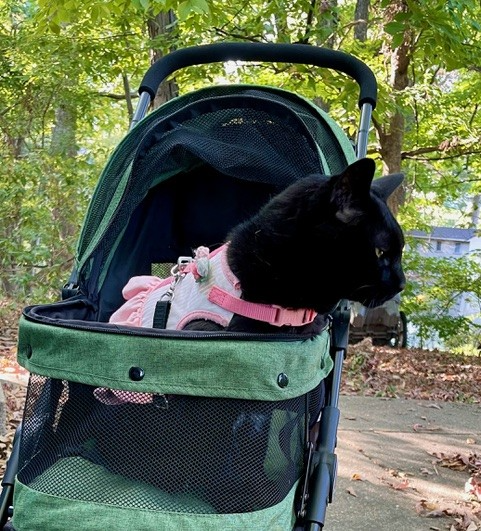
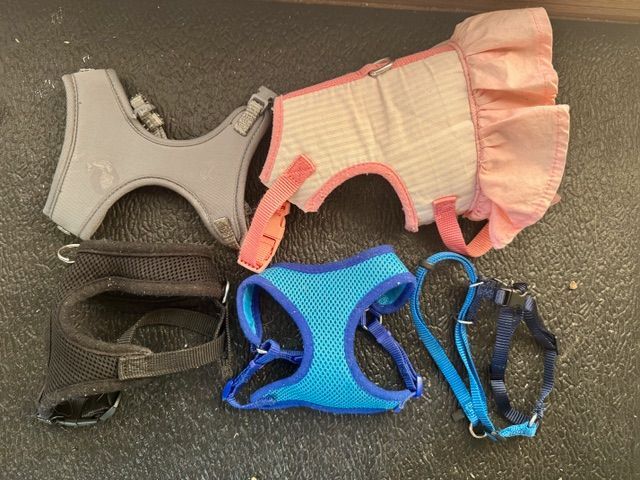
Cat harnesses provide a secure and comfortable way to control and manage your cat during outings. Cats can squirm making them difficult to get a hand hold. A harness can make getting in and out of a carrier easier as well as leash control during a sniff outing or sitting in the sun.
A cat harness that is too tight can cause chafing, skin irritation, or even restriction of movement. On the other hand, a harness that is too loose may not provide the necessary control or security.
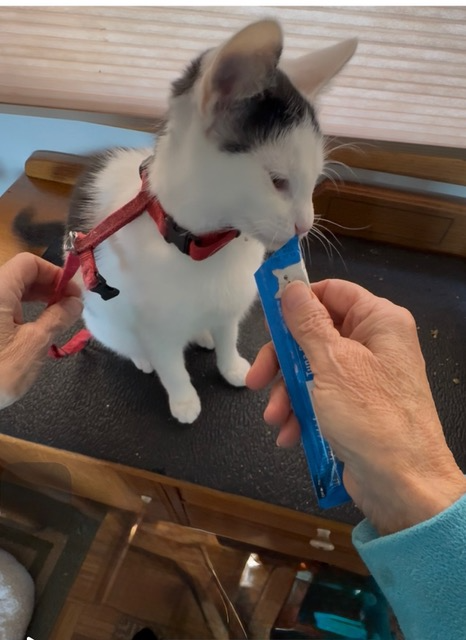
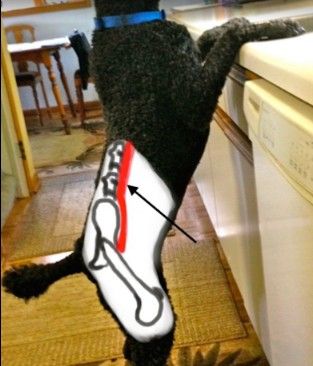
A harness that is too tight there is no room for fingers to get under the harness. The harness is pushing on the vertebrae of the spine and scapula. This is causing discomfort. Fingers should easily get under the harness in all areas in all positions to reduce damage to the anatomy of your cat.
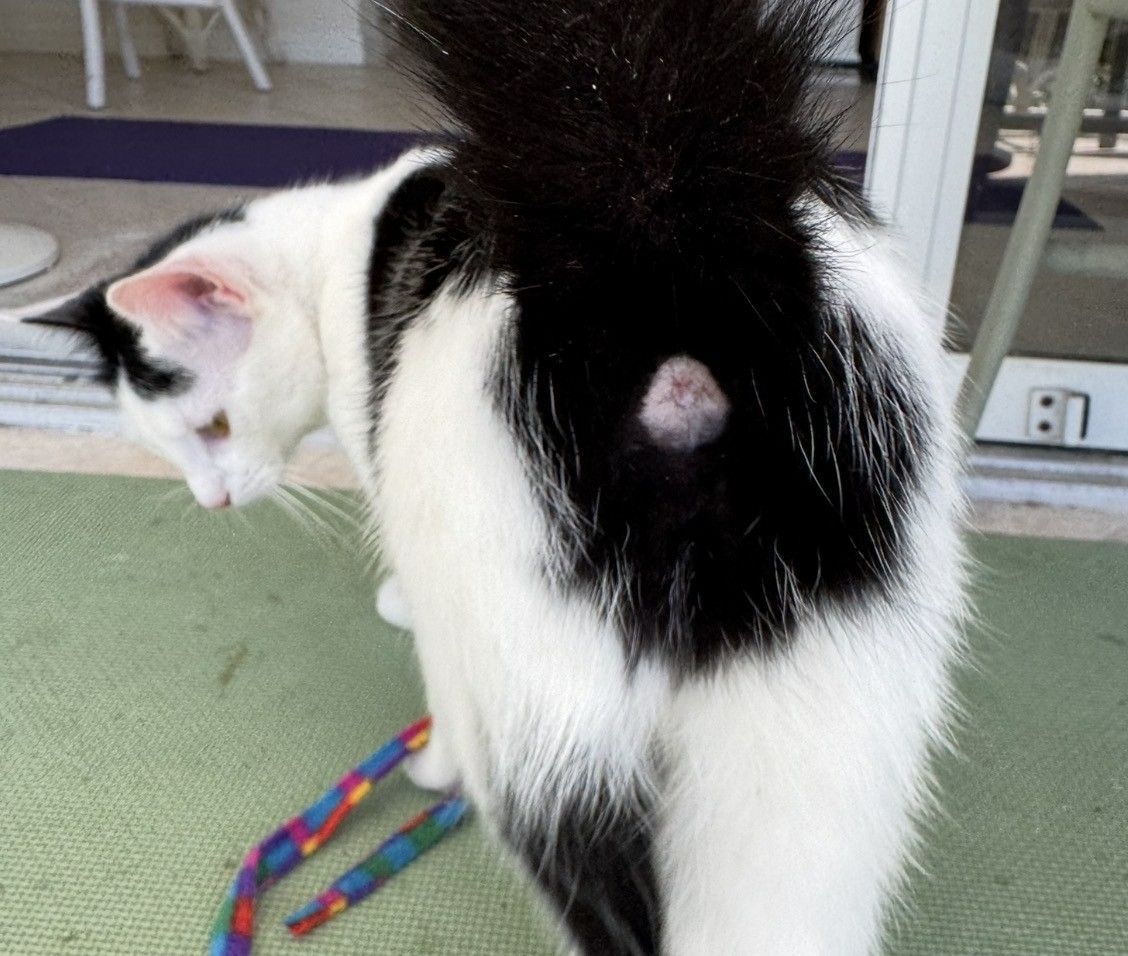
Prolonged use of a poorly fitting harness can lead to skin issues like dermatitis or pressure sores, especially if the harness rubs against sensitive areas like the armpits or chest. It is important to examine your cat’s skin regularly for any signs of irritation and adjust the harness or consider a different style if needed to prevent discomfort.
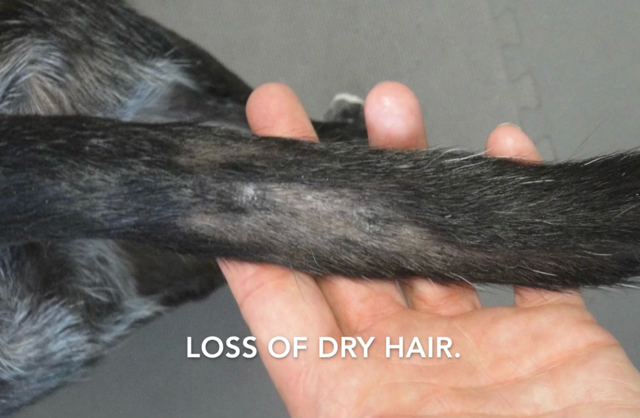
The harness should not impinge on any of the shoulder or elbow joints. Should not cause hair loss or pulling of the hair.
Some pet stores allow trying different harnesses on before a purchase or allow returns on merchandize that doesn’t fit when tried on at home.
Start young learning to accept and wear a harness. Positive reinforcement during training will make the learning process easier. Short frequent sessions of lure, mark and reward are needed for a cat to learn to wear a harness.
Only use the harness when needed, remove when at home. Always remove neck collars when your cat is not being monitored.
Have your cat microchipped. if they escape outdoors the chip can be scanned by a vet or humane society to get them home again.
Use a tracking system attached to the harness to find them when outdoors so they can be located if wandering outdoors.
Training your cat to come when called and responding to basic commands will help make them a candidate for harness training and outdoor adventure. Practice indoors before venturing outside.
Choose the right cat harness and adjust the fit as they grow or gain weight. Regularly inspect the harness for fit and signs of irritation.
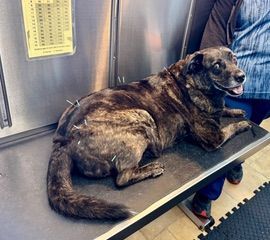
The Benefits of Acupuncture for Dogs and Cats: Insights from the Veterinarians at Care Animal Clinic